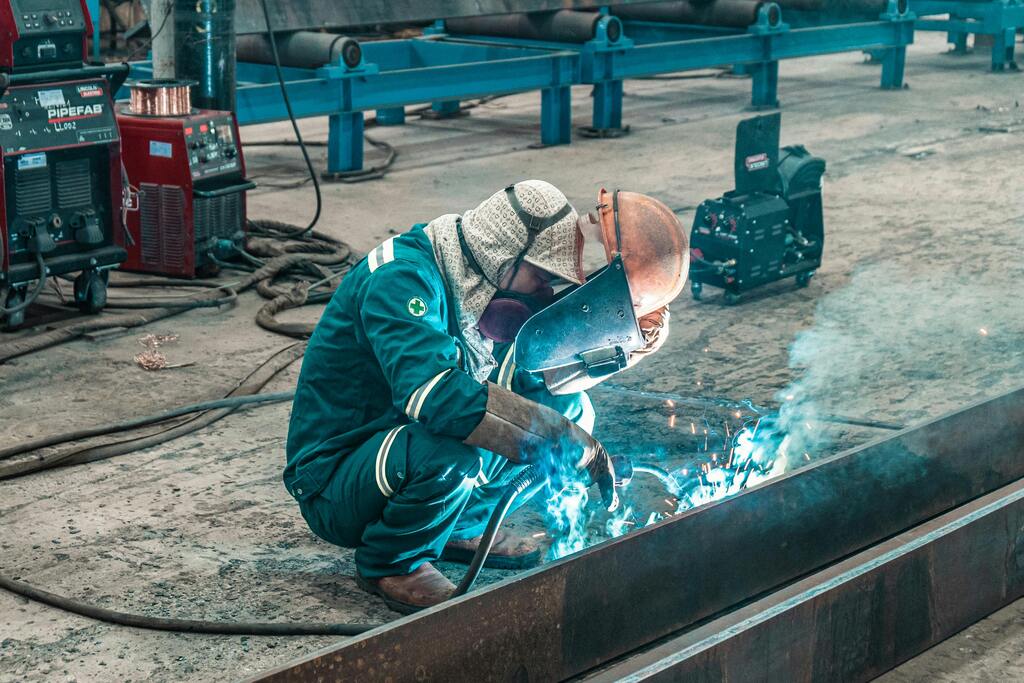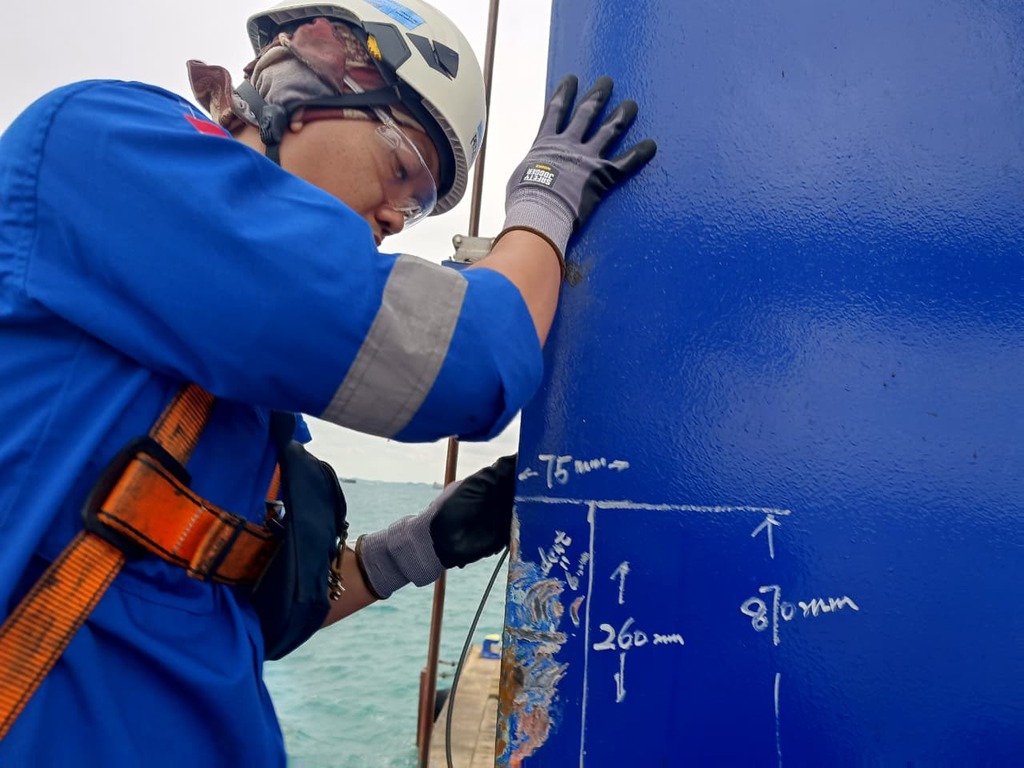
Visual inspection is a critical quality control process that evaluates the surface condition and integrity of products, ensuring compliance with standards and enhancing reliability for users.
Conventional radiography testing ensures the quality and integrity of materials and structures through detailed visual inspections using X-rays or gamma rays. This method reveals internal characteristics and highlights flaws, helping maintain high-quality control standards across industries. By facilitating early issue detection, it enhances the safety and reliability of products.
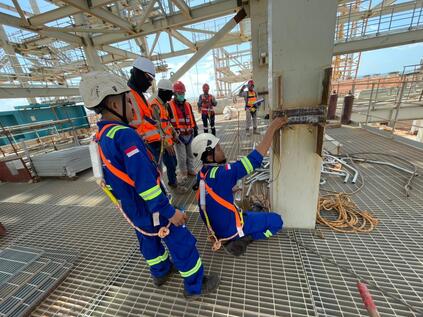
Ultrasonic testing is a highly effective method using high-frequency sound waves to evaluate material integrity and quality. This technology is vital across various engineering fields, detecting flaws and ensuring safety standards, making it an essential tool for engineers and quality assurance professionals.
Discover the advantages of magnetic particle testing, a crucial nondestructive evaluation method. Ideal for detecting surface and near-surface defects in ferromagnetic materials, this technique ensures safety and reliability in various applications. Enhance your quality assurance processes with our expert testing services, tailored to your industry needs.
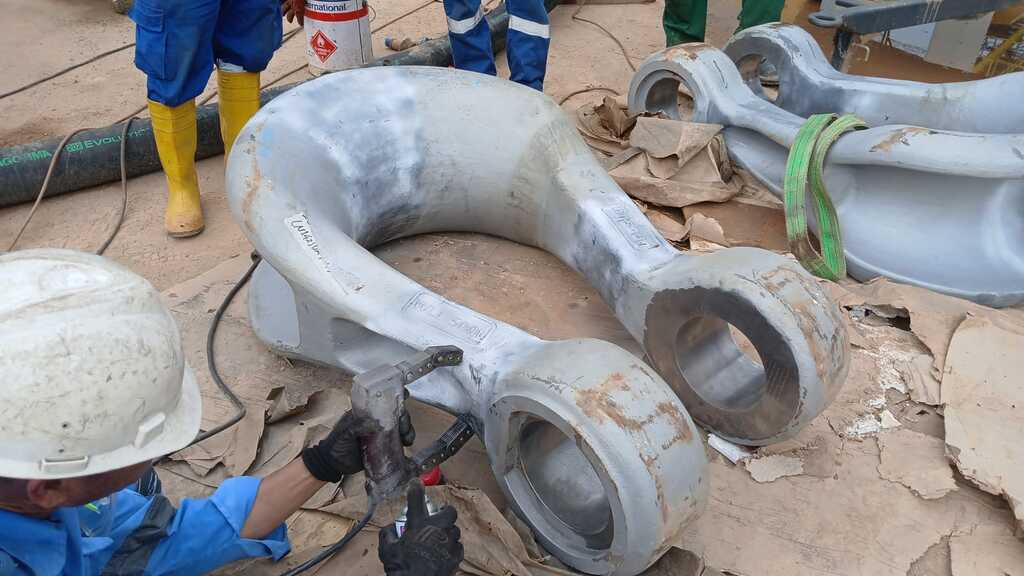
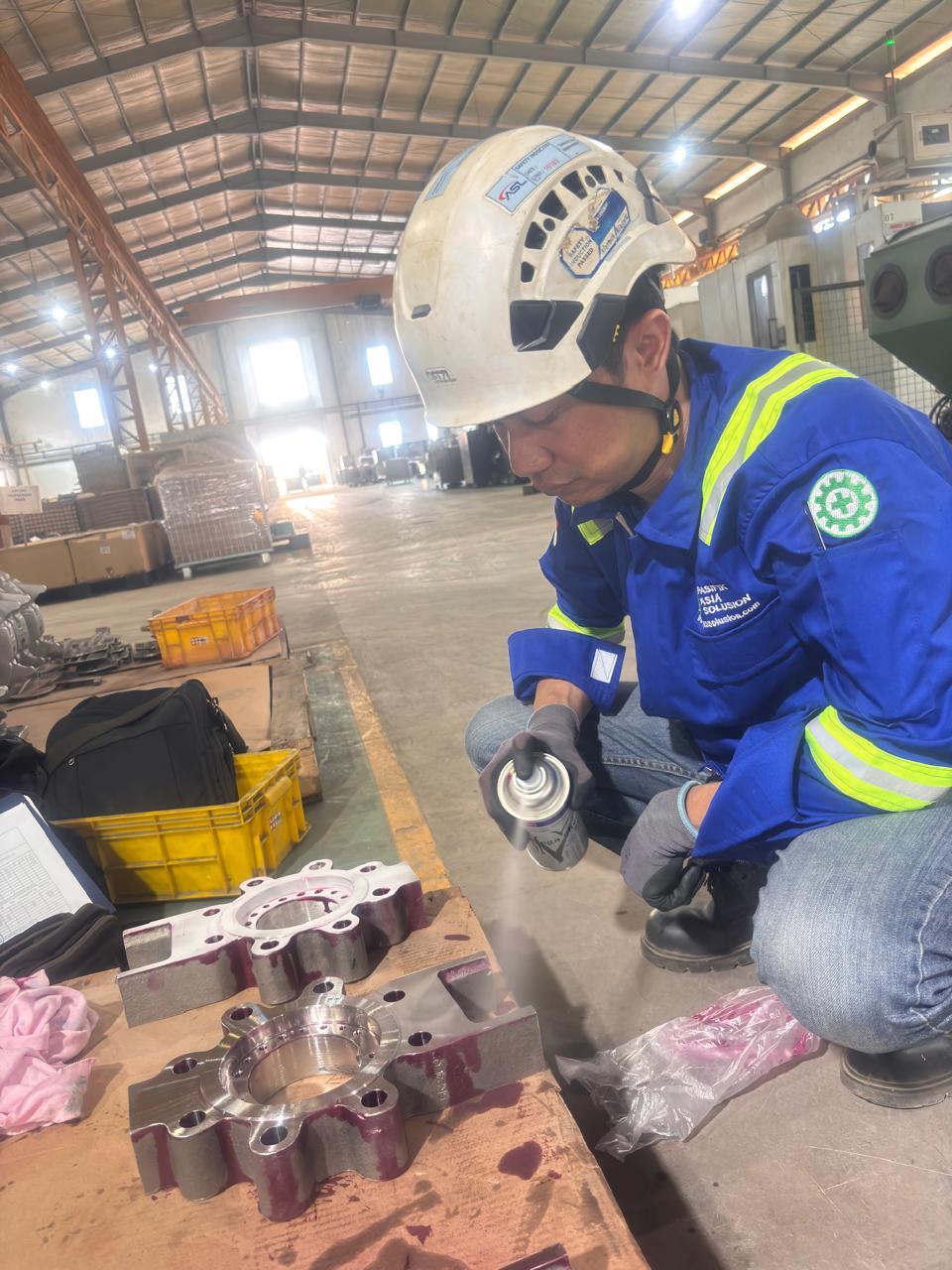
Discover the effectiveness of liquid penetrant testing for detecting surface defects in materials. This reliable, non-destructive method enhances safety and ensures quality across industries. Trust proven technology for optimal performance in your projects.
Eddy current testing is a non-destructive evaluation method used to detect surface and near-surface defects in conductive materials. This technique utilizes electromagnetic induction to highlight flaws, ensuring the integrity and reliability of components in various industrial applications. Discover its benefits for maintaining quality standards.
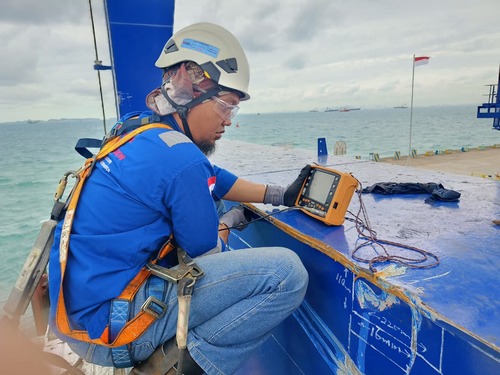
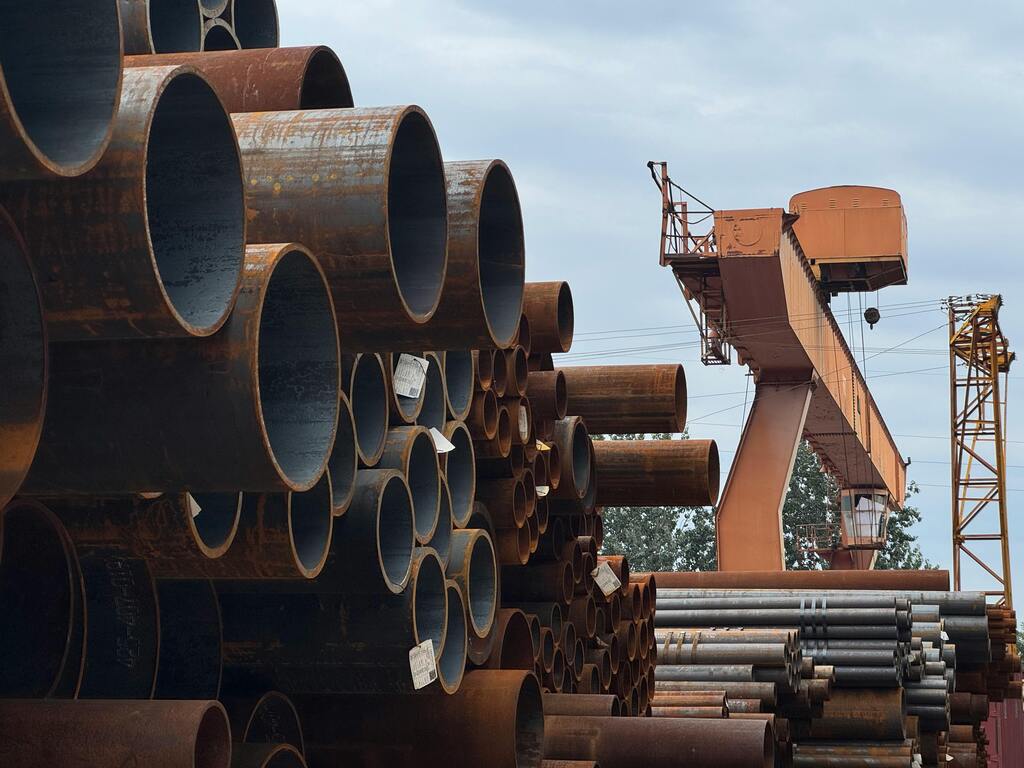
Positive material identification (PMI) is a non-destructive testing method that verifies material composition in real-time. This technique ensures compliance with specifications and safety regulations, facilitating quality assurance in manufacturing and construction. By accurately identifying metals and alloys, PMI minimizes risks associated with material failure and enhances project integrity.
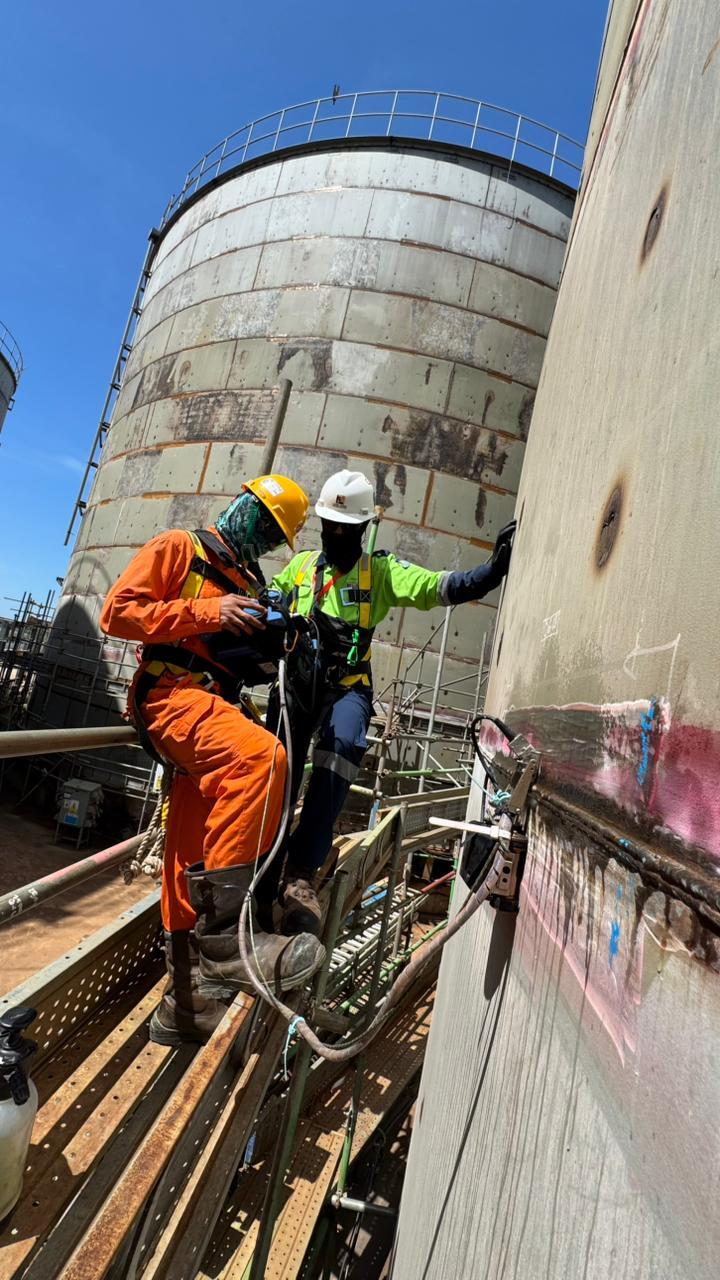
Phased array ultrasonic testing offers advanced inspection capabilities, ensuring precise detection of defects in various materials, enhancing reliability and safety in diverse applications.
Discover the principles of time-of-flight diffraction ultrasonic testing, a precise method for assessing material integrity by measuring wave travel times, ensuring reliability and safety.
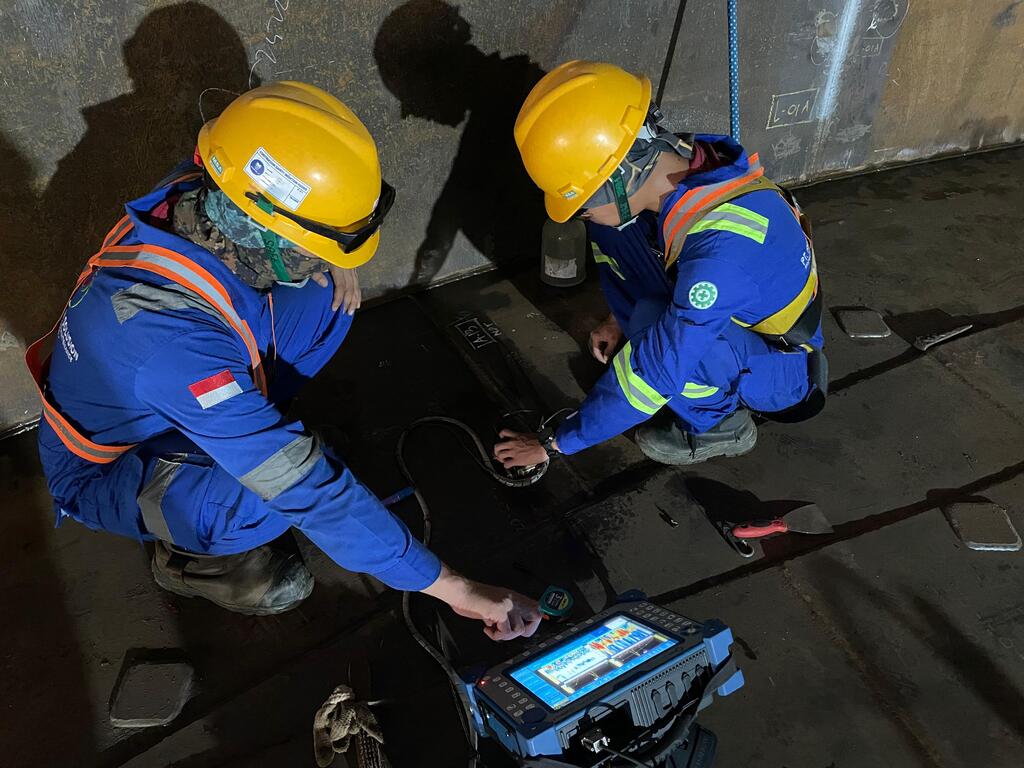
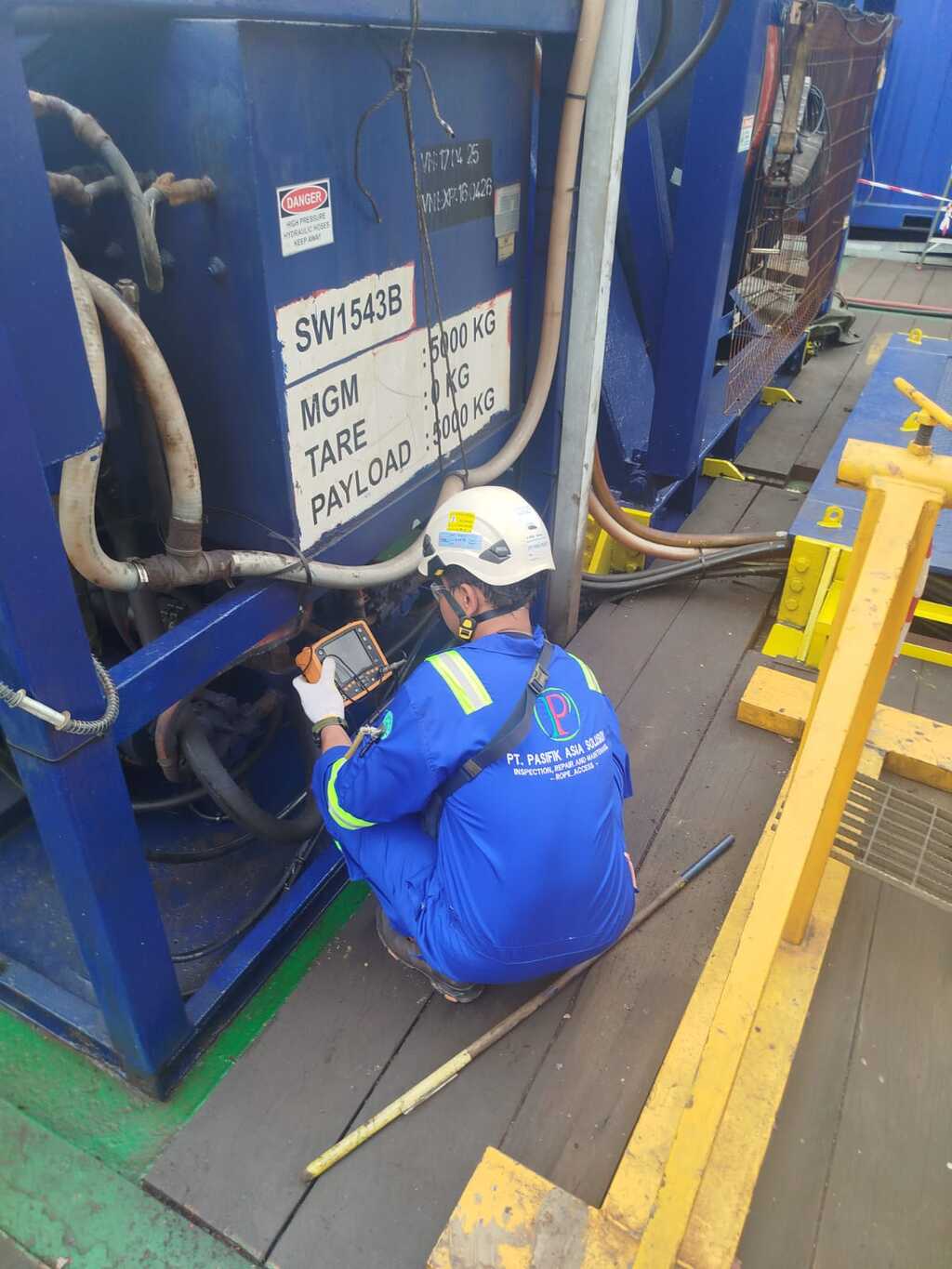
Discover the remarkable effectiveness of Alternating Current Field Measurement (ACFM) as a method for conducting precise non-destructive evaluations. This innovative technique is essential for assessing material integrity and ensuring the structural reliability of various components and systems. By utilizing ACFM, you can achieve detailed insights into the health of materials without causing any damage, making it an invaluable tool in numerous industries where safety and durability are paramount. Explore how ACFM can enhance your evaluation processes and provide you with the confidence needed for your projects.
Our specialized corrosion detection and monitoring services play a crucial role in ensuring the structural integrity of your assets. By utilizing advanced technologies and methodologies, we effectively identify and assess corrosion levels, enabling proactive measures to be taken before minor issues escalate into major problems. This not only enhances safety for all stakeholders but also significantly reduces maintenance costs over time. Our commitment to utilizing cutting-edge solutions means you can trust that your structures are being monitored with the highest level of precision and care, ultimately prolonging their lifespan and reliability.

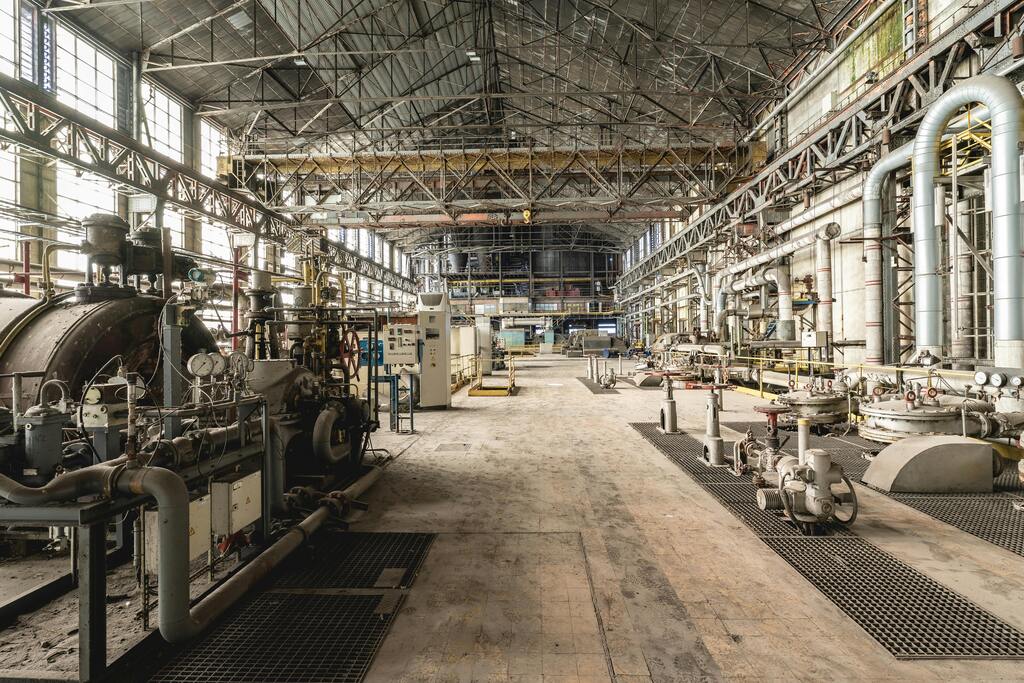
Digital Radiography Testing NDT (Non-Destructive Testing) provides an unparalleled level of precision and efficiency in non-destructive examination processes. By leveraging imaging technology, this method can identify internal flaws and anomalies within various materials, all while preserving the integrity of the tested objects. This capability is essential for ensuring both safety and quality assurance across a wide range of industries. Through digital radiography, organizations can confidently assess the condition of their materials and components, helping to prevent potential failures and maintain the highest standards of quality throughout their operations.
Computerized Radiography NDT, a method that ensures highly accurate inspections. This advanced technology boosts operational efficiency and delivers reliable results for critical applications across various industries. By utilizing computerized radiography, organizations can conduct thorough examinations that meet stringent safety and quality standards, enhancing performance and reliability. Explore how this innovative method can transform your inspection practices and improve your operational outcomes.
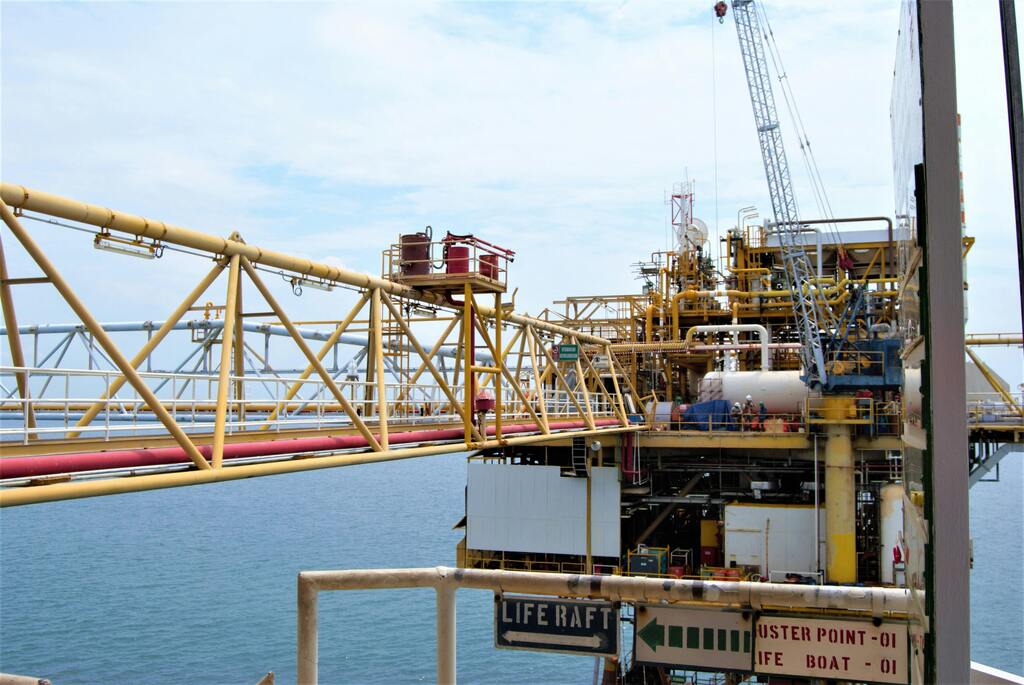

Magnetic flux leakage NDT is a highly effective non-destructive testing method used to detect material flaws by analyzing magnetic field alterations in conductive materials.
Hardness testing is a critical destructive evaluation method used to determine material resistance to deformation or indentation. This process plays a significant role in assessing material properties, ensuring suitability for specific applications. By measuring hardness, organizations can predict performance, enhance quality control, and inform material selection, thus promoting reliability and longevity in products.
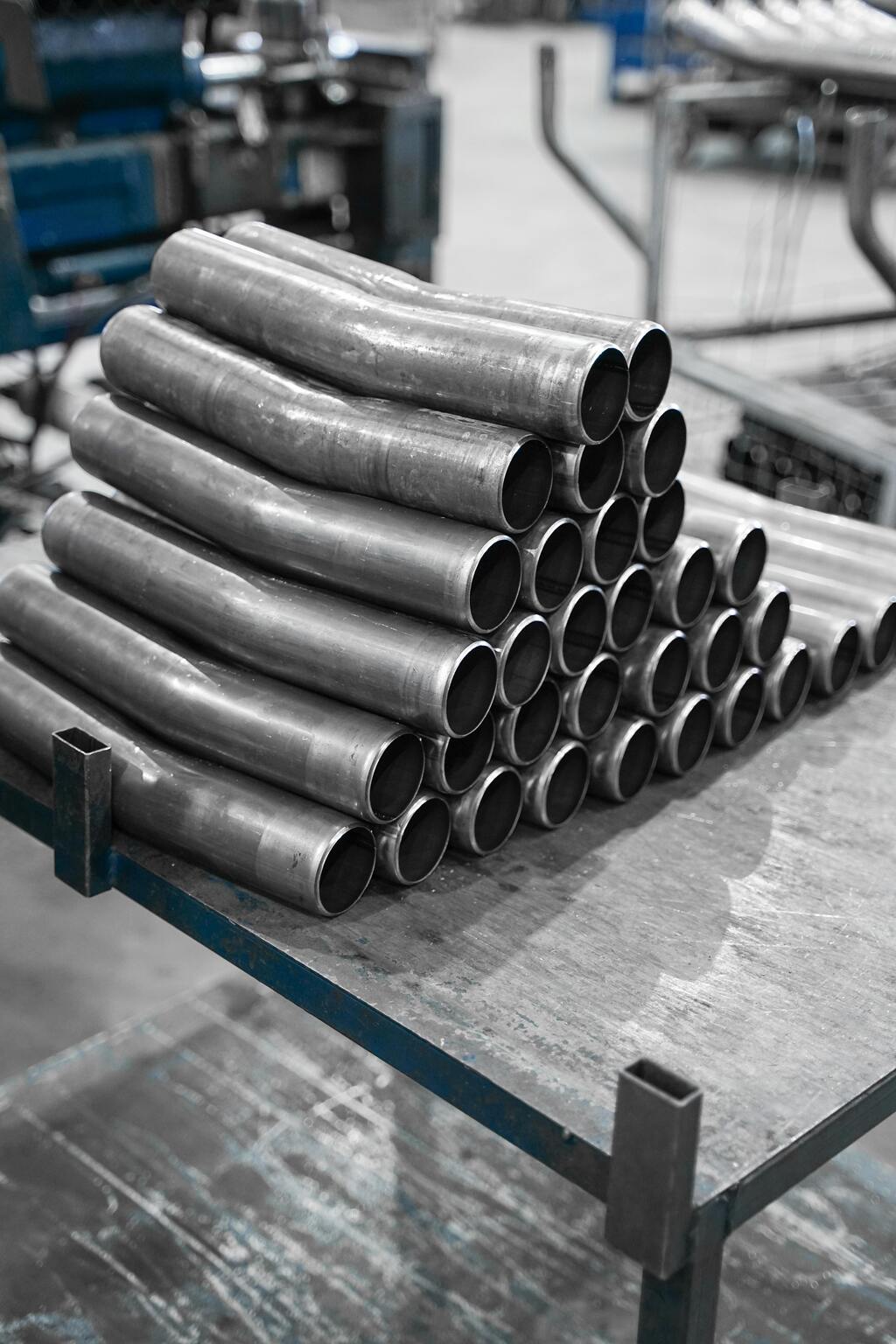
The bending test evaluates material performance under stress, assessing its ability to withstand deformation without failure. This assessment is crucial for ensuring product reliability in various applications. Understanding the results aids in material selection and design processes, ultimately enhancing product safety and durability. Implement robust testing for assured quality outcomes.
Compressed testing is an innovative assessment method designed to evaluate product performance under controlled conditions. This approach enhances reliability, allowing for efficient analysis in a shorter timeframe. By utilizing advanced techniques, we ensure comprehensive insights into durability and quality, ultimately leading to improved products that meet client expectations and industry standards.
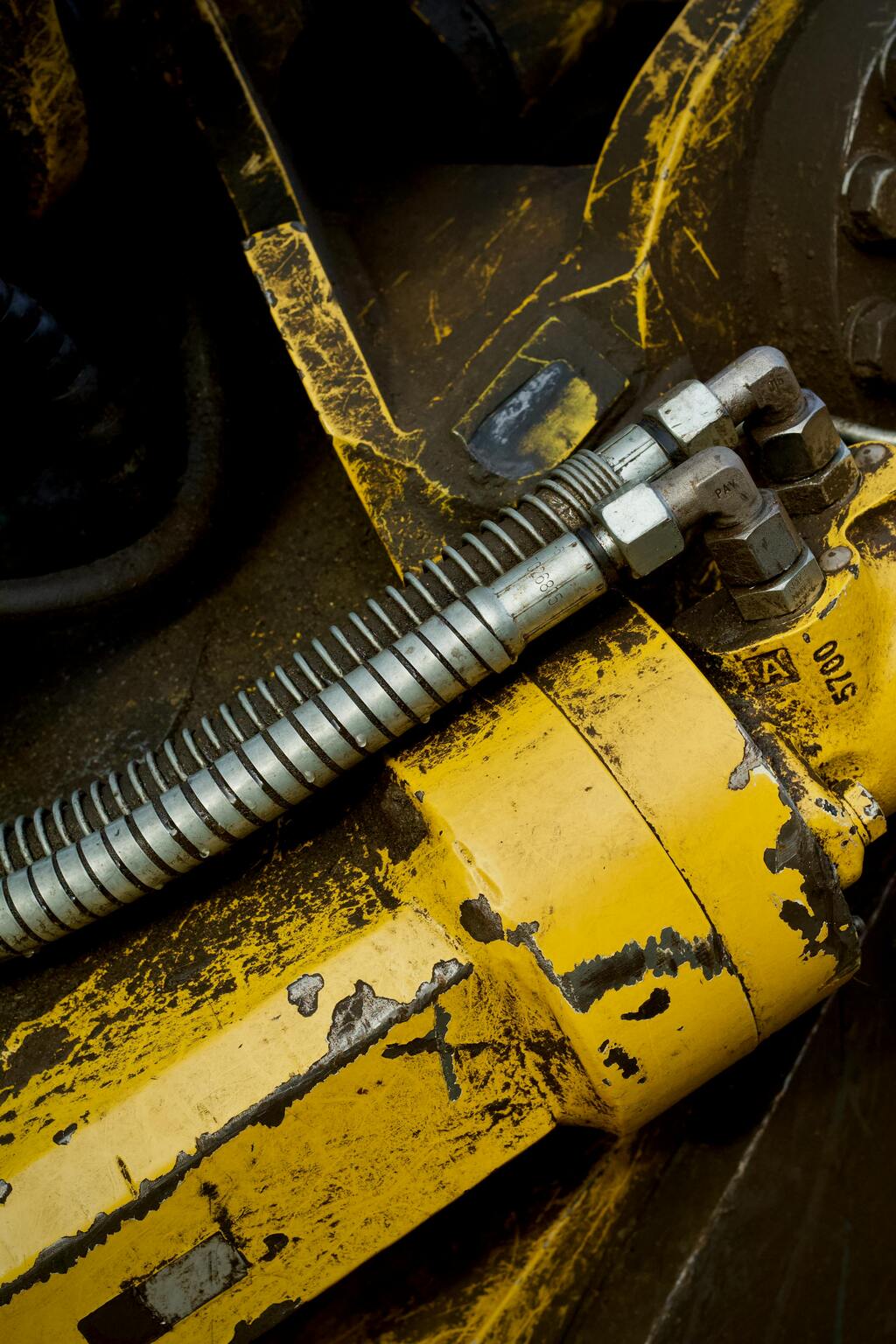
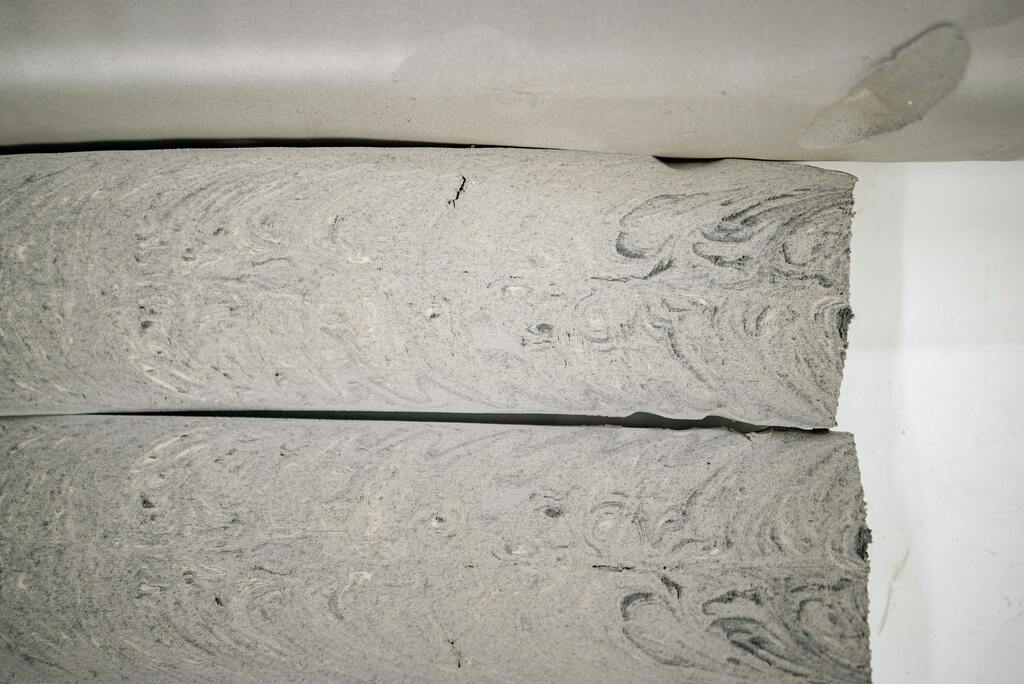
Tensile testing measures the strength and behavior of materials under tension. This critical process evaluates how substances deform and ultimately fail when subjected to pulling forces. Results inform material selection, design, and quality control, ensuring reliability and safety in various applications, from construction to manufacturing.
Post weld heat treatment is a critical process designed to enhance the mechanical properties of welded structures. By reducing residual stresses and improving ductility, this method significantly increases durability and performance. Our services ensure optimal treatment, tailored to meet specific material requirements and industry standards, guaranteeing reliable and quality outcomes for your projects.